Important Reminders When Using Betamethason on the Skin: The Truth You Need to Know to End the Cycle of Itching
How to Use Betamethasone Cream Safely for Skin Conditions
Important Reminders When Using Betamethasone on the Skin
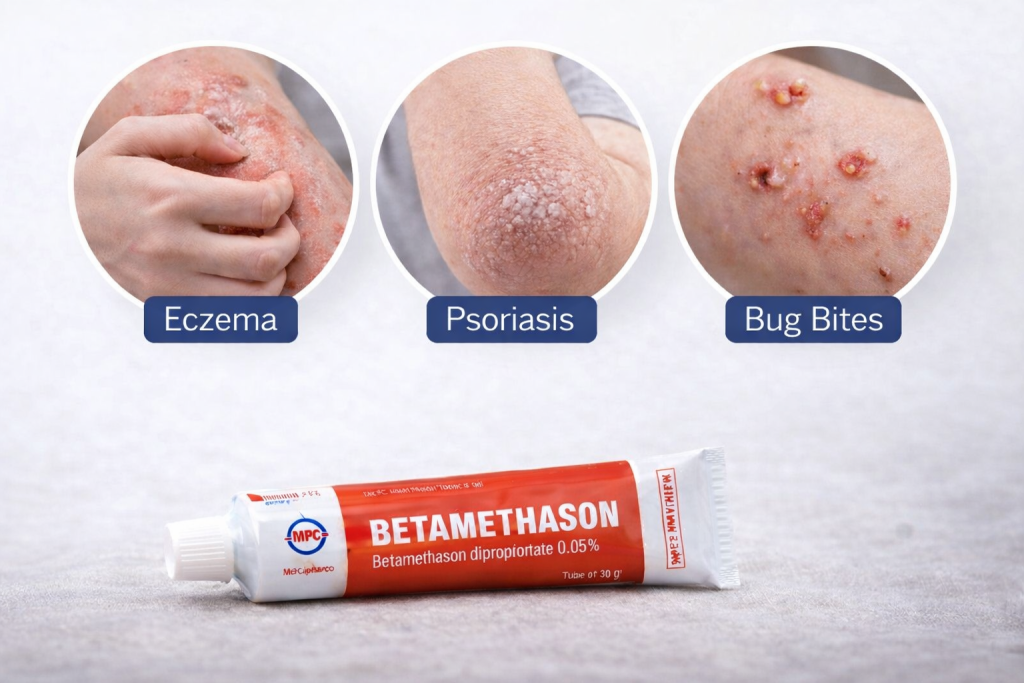
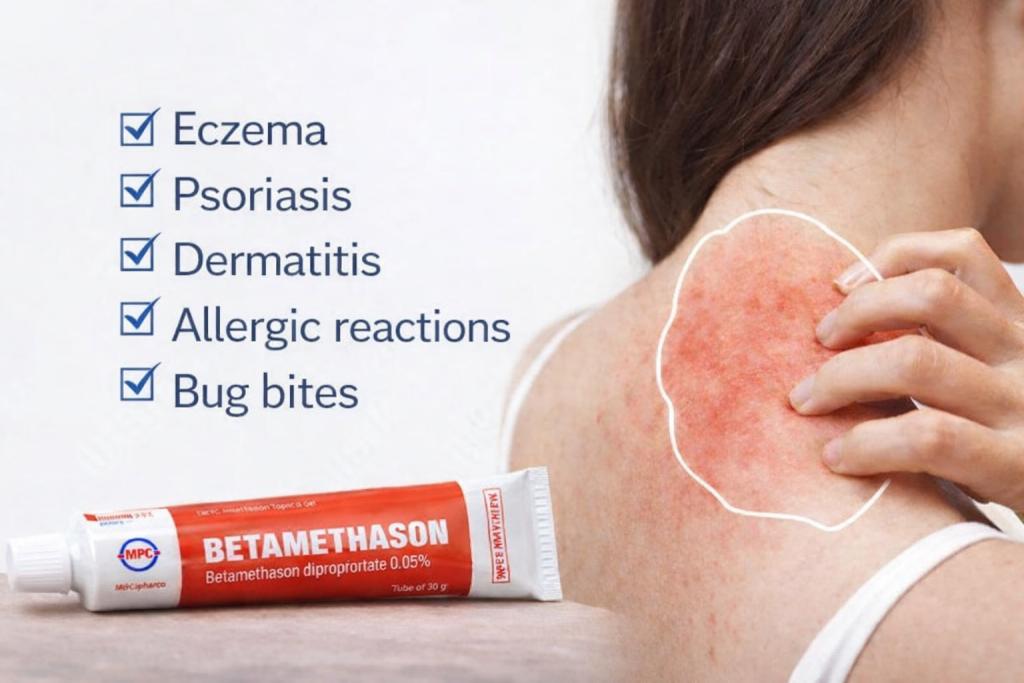
Betamethasone cream is commonly used to treat eczema, psoriasis, allergic rashes, and other inflammatory skin conditions. However, because it is a topical corticosteroid, it should be used correctly to ensure safe and effective results.
Many people stop treatment too early or apply too much medication, which may reduce its effectiveness or increase the risk of side effects. Understanding how to properly use Betamethasone cream can help improve treatment outcomes and prevent recurring skin problems.
1. Use the Correct Amount (Finger Tip Unit Method)
When applying Betamethasone cream, the correct amount is very important.
Dermatologists often recommend the Finger Tip Unit (FTU) method.
What is one FTU?
One FTU is the amount of cream squeezed from the tip of an adult’s index finger to the first joint.
This amount is usually enough to treat an area of skin equal to two adult palms.
Applying more cream than necessary will not make the treatment work faster. Instead, it may increase the risk of irritation or unwanted side effects.
2. Do Not Stop Treatment Too Early
Many patients stop using Betamethasone cream once the itching disappears.
However, skin inflammation may still remain under the surface even when symptoms appear to improve.
Stopping treatment too early can sometimes lead to recurring rashes or rebound inflammation.
Doctors often recommend completing the full treatment period, which may last around 7–10 days, depending on the severity of the condition.
3. Be Careful When Applying on Sensitive Skin Areas
Some areas of the body absorb topical steroids more quickly than others.
These areas include:
- face
- armpits
- groin
Because the skin in these areas is thinner, strong corticosteroids like Betamethasone should only be used with caution and under professional guidance.
Improper use in these areas may cause skin thinning or irritation.
4. Apply Betamethasone After Bathing
One of the best times to apply Betamethasone cream is after bathing.
After a shower:
- The skin is clean
- pores are slightly open
- Medication spreads more easily
Proper application steps
- Gently pat the skin dry with a clean towel
- Apply a thin layer of Betamethasone cream
- Spread evenly over the affected area
This method helps the medication absorb more effectively.
5. Avoid Mixing Betamethasone With Other Creams
Some people try to mix different creams together to achieve faster results.
However, combining Betamethasone with unknown skincare products or cosmetic creams may cause irritation or unexpected reactions.
Betamethasone should be used as a prescribed medical treatment, not mixed with other creams unless advised by a healthcare professional.
6. Protect the Skin From Excessive Sun Exposure
During treatment, the skin may become more sensitive to sunlight.
In tropical countries like the Philippines, strong sun exposure can worsen irritation and delay skin recovery.
To protect the skin:
- avoid prolonged sun exposure
- wear protective clothing
- stay in shaded areas when possible
This helps the skin heal more comfortably while using Betamethasone cream.
Using Betamethasone Properly Helps Prevent Recurring Skin Problems
When used correctly, Betamethasone cream can help control inflammation and relieve symptoms of eczema, psoriasis, and skin rashes.
Proper application, consistent treatment, and good skincare habits can help reduce the risk of recurring skin irritation and support long-term skin health.